crème
brûlée
the burnt top is the best part
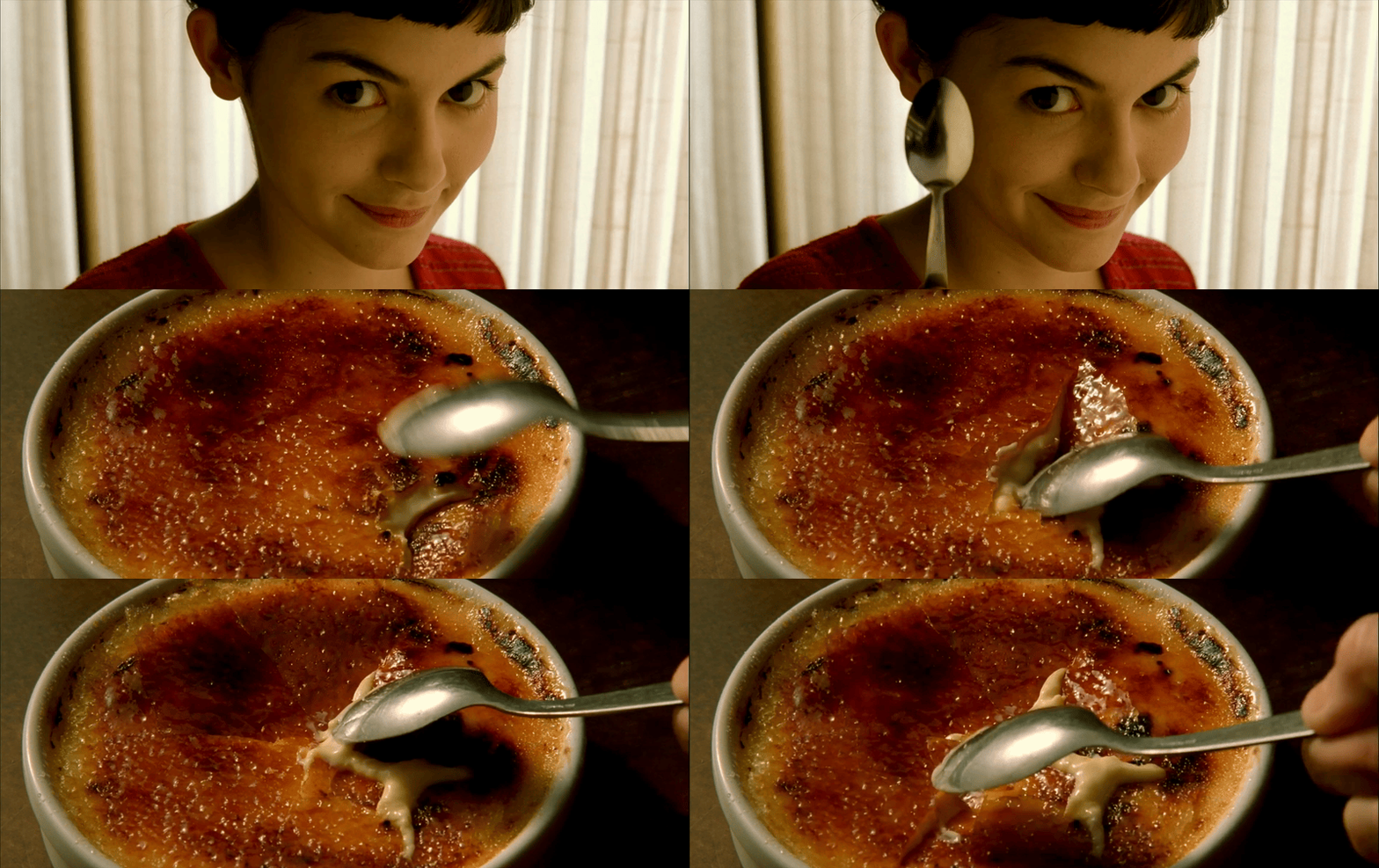
that’s Amélie (2001)
the spoon-crack scene that made the whole world want one.
the spoon-crack scene that made the whole world want one.
① A thin, glassy hard caramel top you crack with a spoon.
② A cold, silky creamy custard underneath.
The first written recipe is in François Massialot’s Cuisinier royal et bourgeois (France, 1691) — he browned the cream with a red-hot fire shovel. England (Trinity College “burnt cream”) and Catalonia (crema catalana) both claim a version too.
The star. Pure sugar, breaking apart under heat into the amber glass + hundreds of flavors.
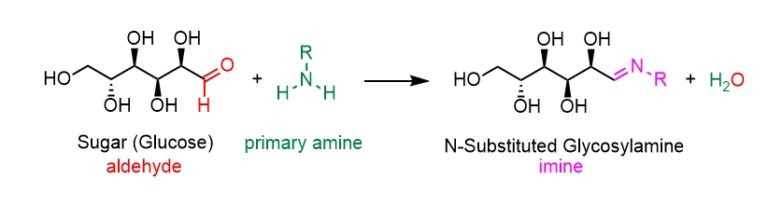
Where the flame meets the eggy custard, sugar + protein add a savory-sweet layer.
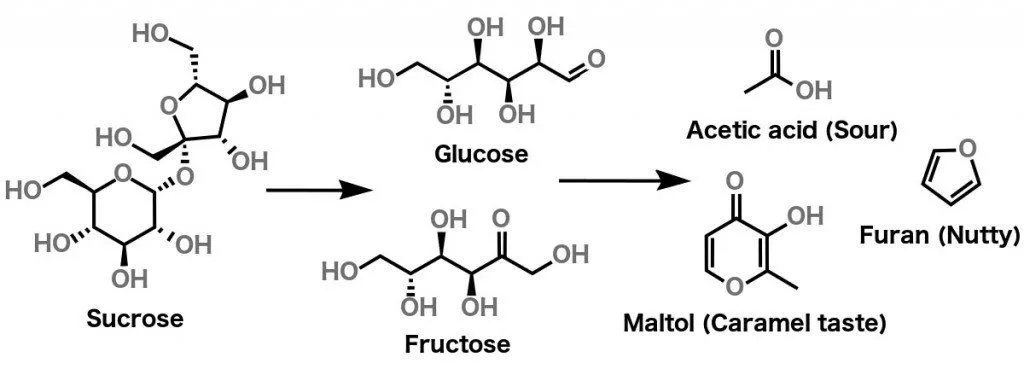
Torch the sugar on top (~170°C) and it doesn’t just melt — it shatters into new molecules. That single layer of table sugar becomes the hard amber lid AND most of the burnt-toffee flavor.
A reducing sugar plus an amino acid (from the egg + milk) link up into a glycosylamine — step one of a cascade that ends in deep, savory, roasted flavor. It needs the custard, so it only happens where the fire hits the cream.
Meet Maillard (1912): Louis-Camille Maillard, a French doctor, found it doing medical research — not cooking. It’s the same reaction behind:
Tap a spoon through the glass lid into the cold custard — Amélie (2001) turned it into cinema’s favorite tiny pleasure, and honestly she was right.
Massialot writes the first crème brûlée recipe. “Burnt cream,” officially.
Trinity College, Cambridge serves “burnt cream” — and brands the college crest onto the crust with a hot iron.
Crema catalana — same idea, flavored with cinnamon + lemon instead of vanilla. They’ll fight you on the date.